
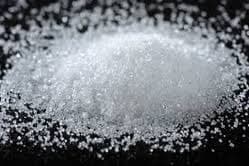
Xylose
- IUPAC Name
- (2R,3S,4R)-2,3,4,5-tetrahydroxypentanal
- Molecular Formula
- C5H10O5
- Molecular Weight (g/mol)
- 150.1300
- Synonyms & Trade Names
- D-Xylose; Wood sugar; Xylose
- Purity / Assay (%)
- 98% min
- Grade / Quality Level
- Technical Grade
Categories
Technical Document
Brief Overview
Xylose is a 5-carbon sugar molecule that is produced from the coconut shell and wood. Xylose is commonly called wood sugar which is obtained from the xylan-rich portion of hemicelluloses present in plant cell walls and fiber. Xylose is considered to reduce sugar, and its structure depends on the condition. Xylose was first obtained from the embryos of edible plants in 1930.
Manufacturing Process
Xylose is commercially isolated by Koch from wood materials. Xylose derivatives can be obtained from the reduction of xylose by the catalytic hydrogenation process that produces the anti-cariogenic sugar substitute xylitol.