
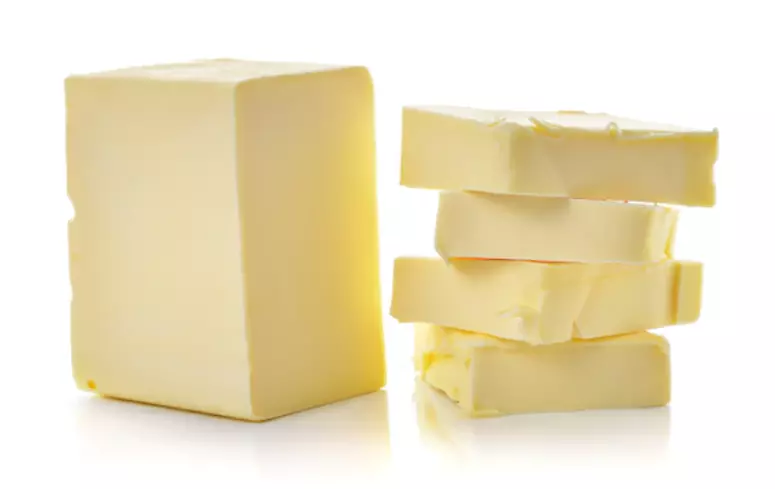
Margarine
- IUPAC Name
- margarine (hydrogenated vegetable fat)
- Molecular Formula
- Emulsified oil/water blend
- Synonyms & Trade Names
- Margarine; Table margarine; Shortening margarine
- Purity / Assay (%)
- Min 80% fat
- Grade / Quality Level
- Food Grade
- Physical Form
- Solid
Categories
Technical Document
Brief Overview
Margarine is a spread used instead of butter. White butter is made from milk and dairy products; margarine is produced from vegetable oil and water. It is used for flavouring, baking, and cooking and was first prepared in France. There are three types of margarine available – soft spreads, hard margarine for baking and margarine in bottles to cook. One hundred grams of margarine contains 628 calories. It is highly rich in vitamin E and sodium.
Manufacturing Process
The margarine bought in the market is produced by emulsifying a blend of vegetable oils and fats, which is then subjected to fractionation and hydrogenation with milk for improved texture. Depending on its final fat content and its purpose, the level of water and the vegetable oils used vary slightly.