
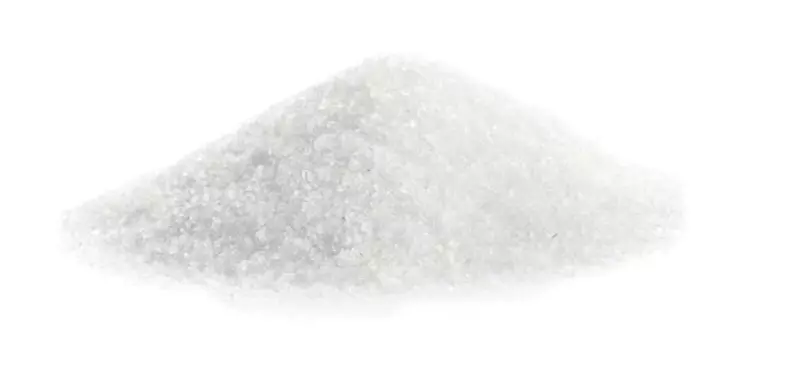
Lactose
- IUPAC Name
- β-D-galactopyranosyl-(1→4)-α-D-glucopyranose
- Molecular Formula
- C12H22O11
- Molecular Weight (g/mol)
- 342.3000
- Synonyms & Trade Names
- Lactose; Milk sugar; α-Lactose monohydrate; 4-O-β-D-Galactopyranosyl-D-glucose
- Purity / Assay (%)
- 99% min
- Physical Form
- Solid
Categories
Technical Document
Brief Overview
Lactose is a type of sugar which is generally found in milk. Lactose is composed of simple sugar galactose and bonded with another glucose. This substance is used in food as a sweetener and stabilizer. In addition, it can also be used as filler in food and easily mixed with numerous ingredients. The physical appearance of this substance is a dry, pale-yellow powder with a slightly sweet taste and smells similar to milk. Furthermore, lactose powder has a long shelf life, is highly affordable, and is widely available.
Manufacturing Process
The manufacturing process consists of several steps. The ingredient, bovine milk whey, is evaporated to reduce the water content and crystalized to create small suspension particles. The mixture was then washed with water and centrifuged to separate the solid from the mother liquor. The solid then underwent several processes and finally yielded the refined lactose for food industry grade.