Integrated Chemical Production: The Core Advantage
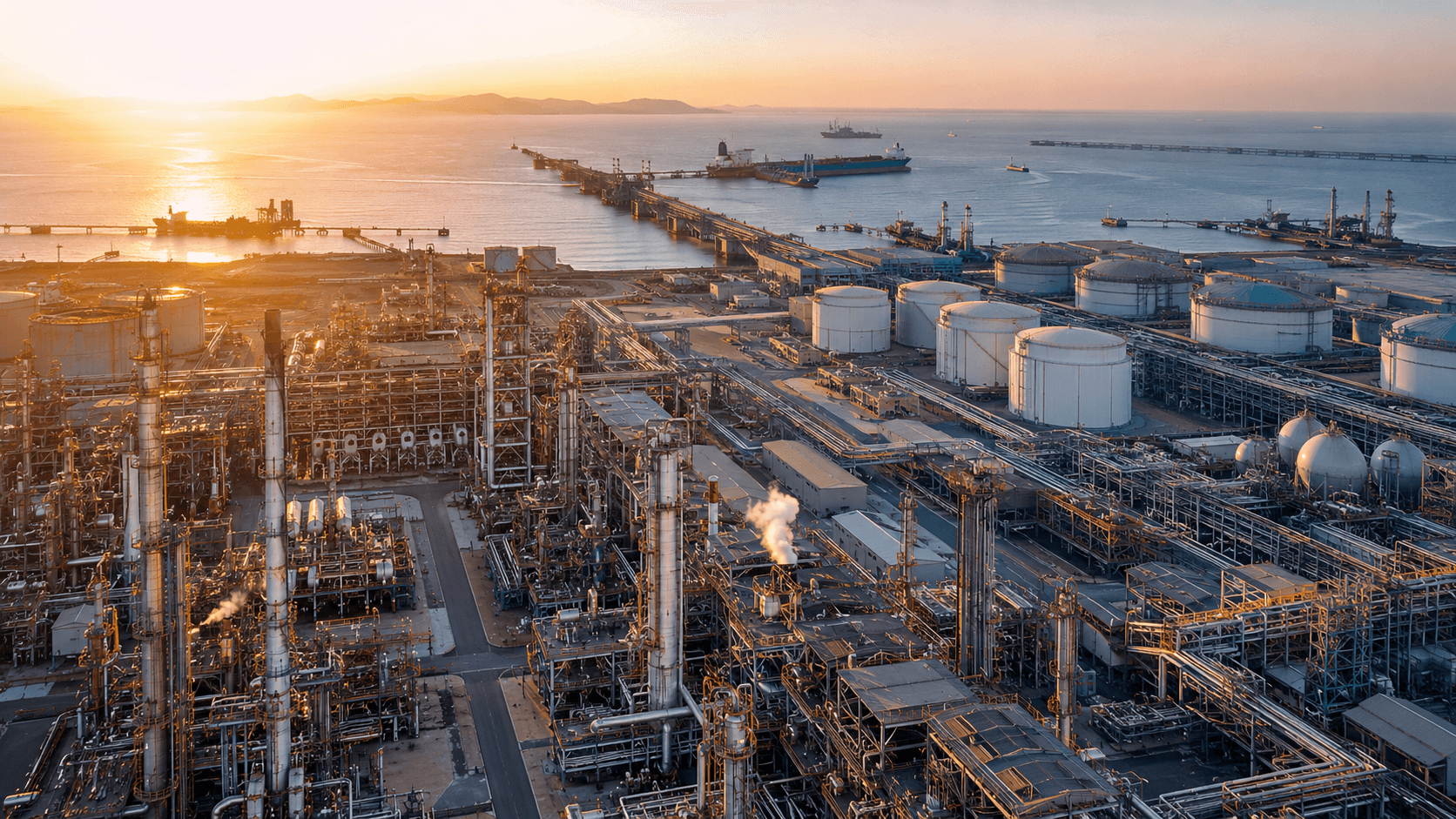
SABIC’s unique positioning stems from its deep integration of upstream oil production with downstream chemical manufacturing. This vertical linkage provides a reliable, low‑cost feedstock base, allowing the company to scale production rapidly and keep unit costs competitive across its portfolio of plastics, fertilizers, and specialty chemicals.
By controlling every stage from crude extraction to polymer synthesis, SABIC can fine‑tune catalyst blends, optimize thermal efficiencies, and reduce waste streams—capabilities that directly translate into higher margins and stronger bargaining power with global buyers.
Downstream Chemistry: Diversification Meets Demand
The downstream segment fuels SABIC’s growth in high‑margin specialty chemicals. In 2026, the firm expanded its portfolio to include biodegradable polymers and advanced elastomers, catering to the sustainability mandates of major automotive and consumer goods manufacturers.
Strategic alliances with key OEMs in Asia and Europe have secured long‑term supply contracts, ensuring a steady revenue stream even during volatile commodity cycles.
Petrochemical Exports: Targeting Emerging Markets
- Asia: Rapid industrialization in Southeast Asia drives demand for plastic resins and packaging materials. SABIC’s proximity to regional refineries allows for just‑in‑time delivery and lower freight costs.
- Europe: Tight regulatory standards on emissions and chemical safety create a niche for SABIC’s low‑carbon petrochemicals. The company’s commitment to carbon capture technologies enhances its appeal to EU buyers.
- Africa: Growing infrastructure projects in West and East Africa increase demand for construction chemicals and fertilizers. SABIC’s flexible logistics network delivers these products within critical time windows.
Logistics Resilience Post‑Hormuz Crisis
The 2026 Strait of Hormuz disruption forced a rapid re‑routing of maritime freight. SABIC responded by:
- Expanding its rail‑to‑port network in the Gulf to diversify shipping lanes.
- Partnering with continental logistics firms to secure inland container capacity.
- Implementing real‑time supply‑chain visibility tools, enabling proactive rerouting and inventory optimization.
These measures restored export volumes to pre‑crisis levels within six months, demonstrating the company’s operational agility.
Supply Chain Resilience: A New Industry Benchmark
Beyond logistics, SABIC’s supply‑chain resilience is anchored in three pillars:
- Strategic Stockpiling: Maintaining buffer inventories of critical feedstocks mitigates price shocks.
- Digital Twins: Advanced simulation models forecast plant performance under variable conditions, reducing downtime.
- Supplier Diversification: Partnerships across the Middle East, North Africa, and the Americas spread geopolitical risk.
Petrochemical Competitiveness in a Changing Market
With the global shift toward circular economy principles, SABIC is investing heavily in recycling technologies and bio‑based feedstocks. By 2026, the company’s new biopolymer line is projected to capture 15% of the global recycled plastics market.
Moreover, SABIC’s refinery integration allows it to repurpose by‑products—such as sulfur and gases—into high‑value chemicals, a practice that sets new standards for resource efficiency in the Gulf petrochemical industry.
Export Strategy: Aligning with Procurement Trends
Global chemical procurement is increasingly data‑driven. SABIC’s online platform offers real‑time pricing, inventory alerts, and sustainability metrics, empowering buyers to make informed decisions.
By aligning product development with emerging trends—such as low‑VOC coatings and high‑strength composites—SABIC ensures that its export strategy remains ahead of market demand curves.
Conclusion: SABIC’s Path to Continued Leadership
In 2026, SABIC’s integrated model—combining upstream feedstock dominance, diversified downstream chemistry, and resilient logistics—solidifies its position as a global chemical supplier. Its proactive adaptation to geopolitical disruptions and commitment to sustainability positions the company to capture growth in Asia, Europe, and Africa, while setting new benchmarks for petrochemical competitiveness worldwide.